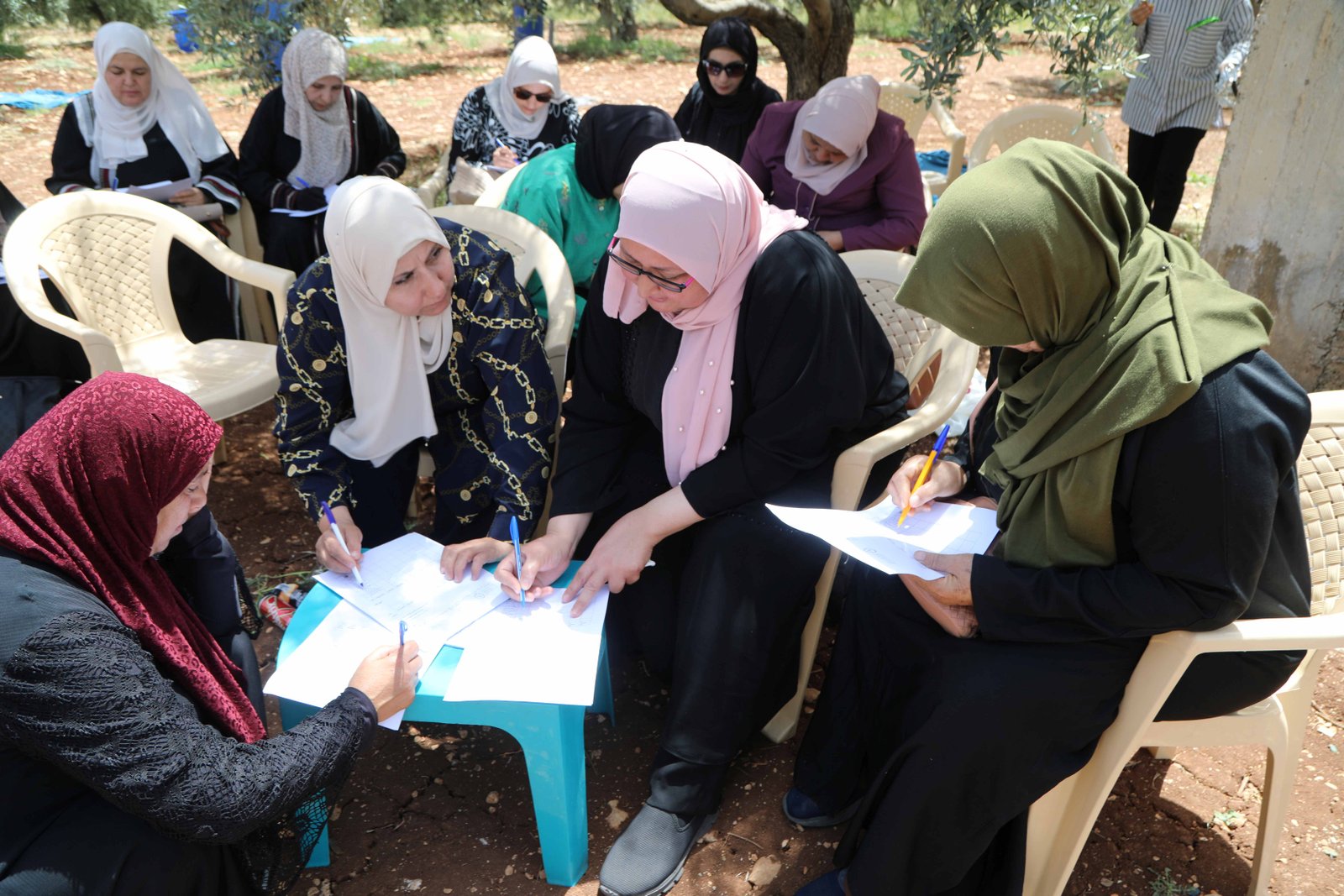
Across Jordan's northern governorates, a quiet transformation is taking place. when farmers are adopt smarter agricultural practices, degraded landscapes are going to be recovered, and local communities are becoming active stewards of the land they depend on. At the heart of this transformation is the Achieving Land Degradation Neutrality (LDN) Targets through Restoration and Sustainable Management of Degraded Lands in Northern Jordan project, implemented by the Royal Scientific society (RSS), under the supervision of the Food and Agriculture Organization of the United Nations (FAO) with funding from the Global Environment Facility (GEF).
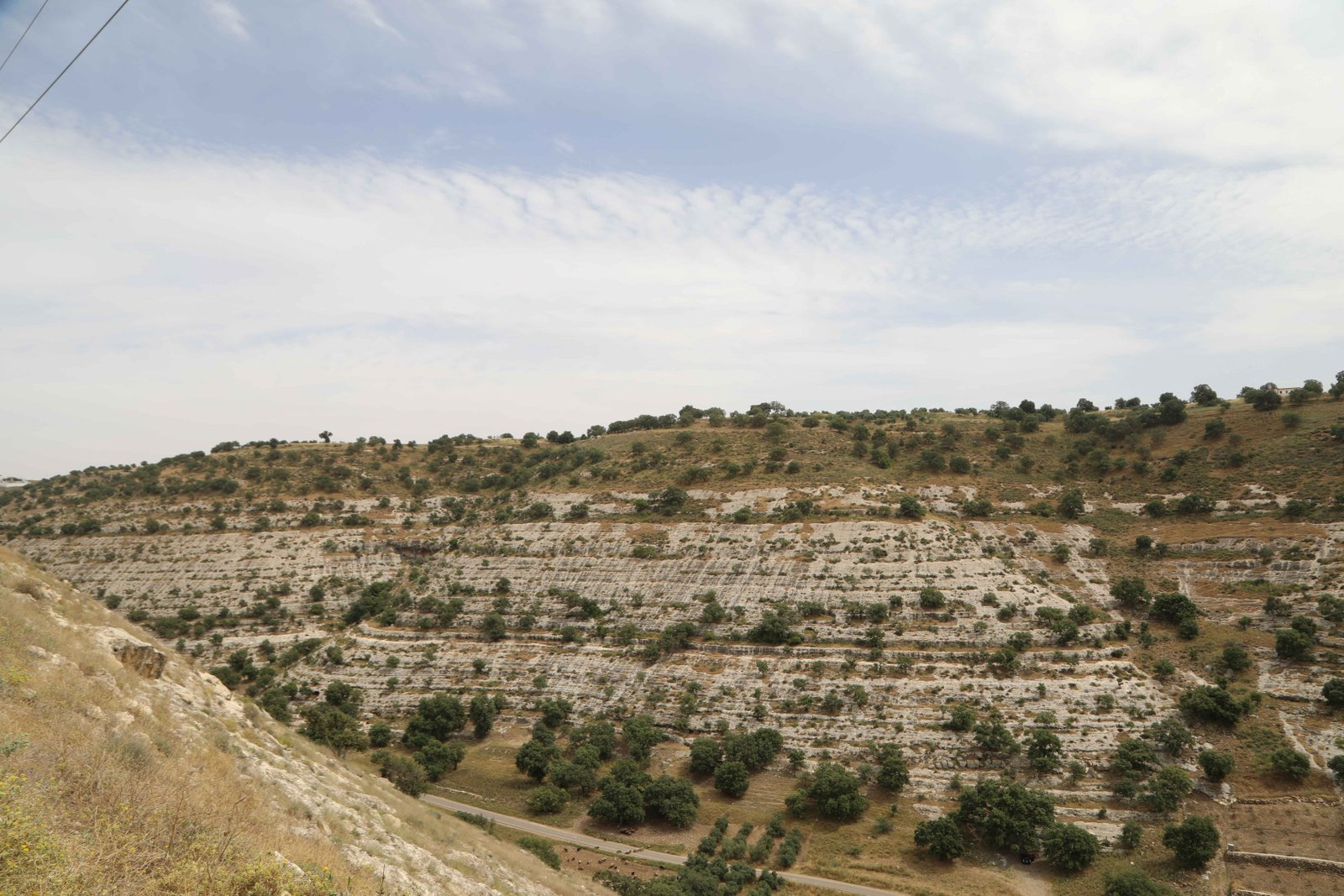
The project works across 16 landscapes covering more than 107,000 hectares in Ajloun, Irbid and Mafraq, where land degradation, water scarcity and climate pressures continue to threaten agricultural productivity and rural livelihoods. Through 57 demonstration sites and Farmer Field Schools reaching around 2,250 farmers, the initiative is equipping communities with practical knowledge and innovative techniques to restore degraded land while improving agricultural resilience.
The concept of Land Degradation Neutrality (LDN) is a globally recognized approach that seeks to ensure that the amount and quality of productive land remain stable or increase over time. Simply put, LDN follows three complementary principles: avoid land degradation wherever possible, reduce ongoing degradation through sustainable land management practices, and reverse degradation by restoring damaged ecosystems.
“Land degradation is not only an environmental challenge; it directly affects food security, rural livelihoods and communities’ ability to withstand the impacts of climate change,” says Marco de Milato, Project Monitoring Specialist at FAO. “Through this project, FAO is bringing together scientific knowledge, practical field solutions and the experience of local farmers. By placing communities at the centre of restoration efforts, we are helping ensure that the benefits will continue well beyond the lifetime of the project.”
For farmers, these principles translate into practical actions such as improving soil health, conserving water, planting appropriate vegetation, and adopting climate-smart agricultural techniques that protect natural resources while maintaining productivity.
"The project is about turning knowledge into action," says Abdullah Alkloub, Project Manager. "Through our demonstration sites and Farmer Field Schools, farmers are not only learning new techniques—they are seeing firsthand how sustainable land management delivers tangible results. This participatory approach encourages communities to test, adapt and eventually adopt practices that restore their land while strengthening their livelihoods."
The demonstration sites serve as living classrooms where farmers observe sustainable techniques under real field conditions, while Farmer Field Schools provide an interactive learning environment that encourages experience-sharing, problem-solving and peer-to-peer learning. Rather than relying solely on theoretical training, participants gain practical skills they can immediately apply on their own farms.
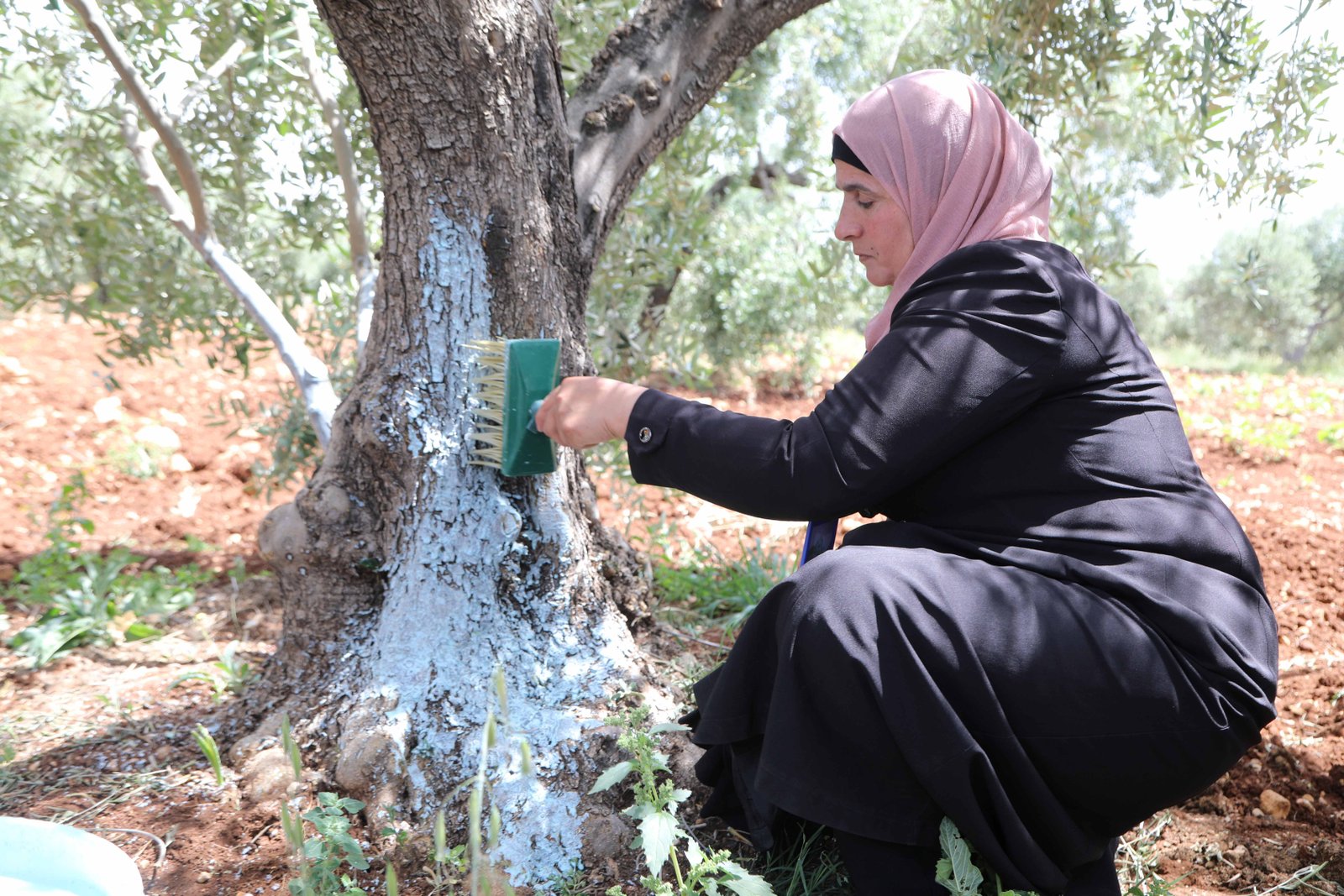
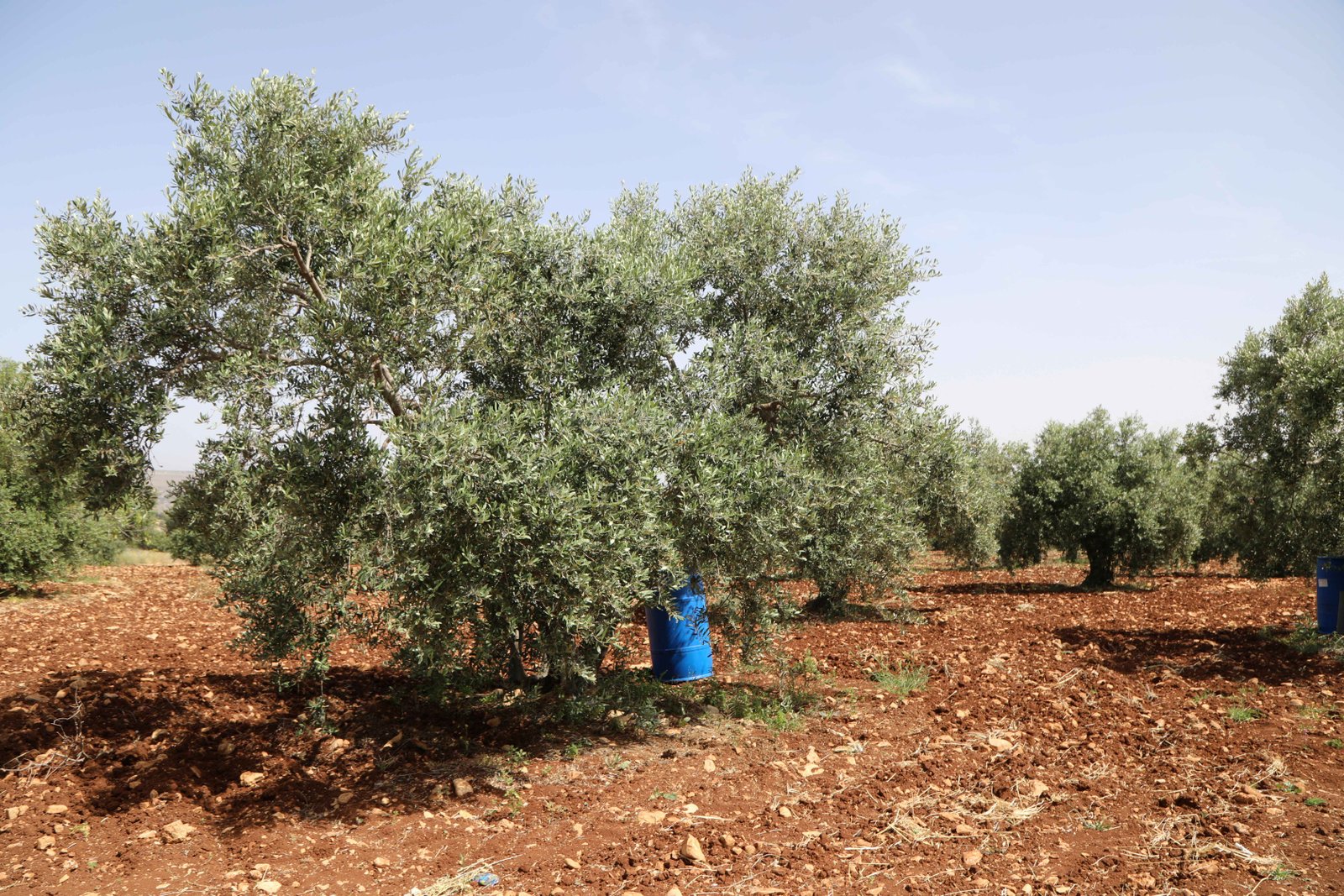
For Maryam, a 52-year-old olive farmer from Irbid, the experience has changed the way she manages her land.
"I have been farming olives for many years, but the Farmer Field School introduced me to irrigation methods that use water much more efficiently while keeping my trees healthy," she says. "With water becoming more limited every year, these techniques have given me greater confidence that I can continue farming sustainably while protecting this land for my children and future generations."
Stories like Maryam's illustrate how sustainable land management is not only restoring landscapes but also strengthening farmers' confidence to adapt to changing environmental conditions. Where here experience represents one part of a much wider effort to address land degradation across northern Jordan.
According to Almoayied Assayed, Director of Water, Environment & Climate Change Centre at RSS, the project's success lies in combining international expertise with local ownership.
"This project demonstrates what can be achieved when global partnerships are matched by strong local engagement. Through the support of FAO and funding from the Global Environment Facility, we are working alongside communities to develop practical solutions that respond to Jordan's environmental challenges. Our vision extends beyond restoring land today—we are building resilient landscapes and empowered communities that will continue benefiting from these investments for years to come."
As Jordan continues to face increasing pressure on its land and water resources, initiatives like this are becoming more important than ever. Healthy landscapes provide more than productive farms; they strengthen biodiversity, improve water conservation, reduce vulnerability to climate change and support the economic wellbeing of rural communities.
By combining science, innovation and community participation, the Land Degradation Neutrality project is demonstrating that environmental restoration and sustainable development can go hand in hand. Every restored hillside, every improved farming practice and every empowered farmer brings Jordan one step closer to a future where healthy land continues to sustain both people and nature.
Across the northern governorates, the seeds of resilience have already been planted—and with continued collaboration, they promise to grow into lasting environmental and social benefits for generations to come.